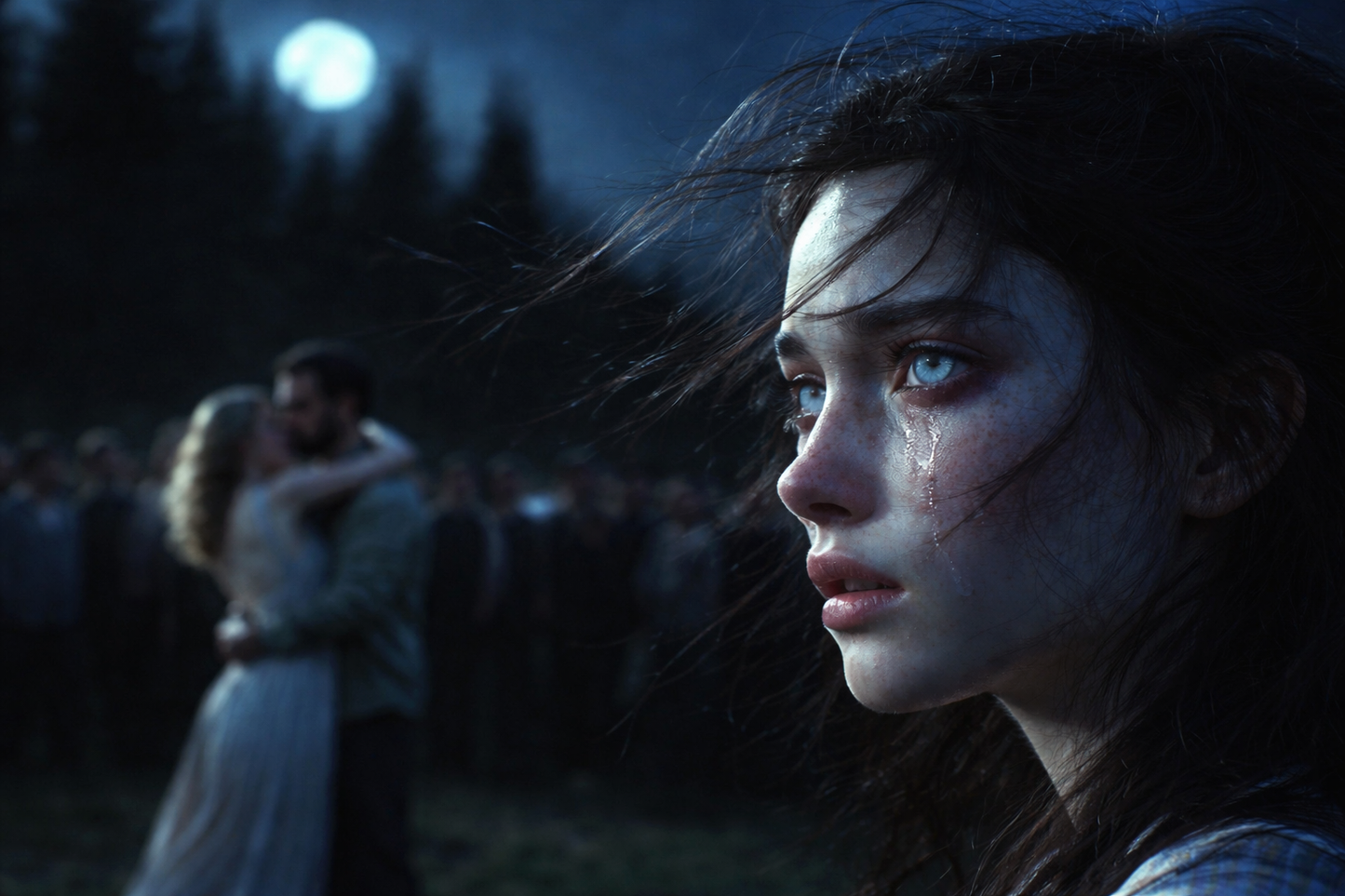


Why Rejected Mate Werewolf Romance Is So Addictive (And Impossible to Put Down)
Share
Few tropes in romance are as emotionally explosive as the rejected mate.
In werewolf romance, the mate bond is supposed to be sacred — destined, unbreakable, primal. So when one mate rejects the other, it shatters not just a relationship, but identity, pride, and pack hierarchy.
That emotional destruction is exactly why rejected mate werewolf romance has become one of the most addictive subgenres in modern shifter fiction.
If you’ve ever found yourself binge-reading stories filled with heartbreak, power struggles, and redemption arcs, this trope is likely the reason.
What Is the Rejected Mate Trope?
In traditional werewolf romance, mates are fated by destiny. The bond is instinctive and intense.
But in rejected mate romance, one partner — often an Alpha — publicly or privately denies the bond.
The rejection can happen because of:
-
Pride
-
Political alliances
-
Another chosen partner
-
Doubts about strength or rank
-
Fear of vulnerability
The result?
Humiliation. Rage. Emotional devastation.
And a heroine who must decide whether to break… or become stronger.
Why Rejected Mate Werewolf Romance Feels So Intense
The emotional stakes are much higher than in standard romance.
Here’s why readers can’t stop turning the pages:
1. The Pain Is Immediate
The mate bond makes attraction unavoidable. When it’s rejected, the emotional injury feels deeper than a normal breakup.
It’s not just “he doesn’t love me.”
It’s “he denied destiny.”
That level of rejection creates powerful angst — one of the main reasons rejected mate werewolf stories trend so strongly in 2026.
2. The Heroine’s Growth Arc Is Satisfying
Many rejected mate romance novels focus on a transformation arc:
-
From insecure to powerful
-
From humiliated to respected
-
From unwanted to irresistible
Readers love watching a heroine rebuild herself after rejection — especially when the one who rejected her begins to regret it.
3. Pride and Redemption Create Explosive Tension
The rejecting mate often realizes too late what he lost.
Now the power dynamic shifts.
He wants her back.
She doesn’t forgive easily.
That push-and-pull dynamic is what makes rejected mate werewolf romance so emotionally addictive.
Alpha Rejection vs Beta Rejection: What’s the Difference?
Most rejected mate stories involve an Alpha male.
Alpha rejection usually includes:
-
Public humiliation
-
Political motivations
-
Power imbalance
-
Pack status consequences
But when a Beta rejects a mate — or when Beta dynamics complicate the bond — the emotional conflict becomes more layered.
Beta characters often struggle between loyalty, ambition, and desire. Their rejection may stem from internal conflict rather than dominance.
This creates a slower, psychologically intense romance.
Contracted Mate + Rejected Mate: A Powerful Combination
One of the strongest variations of the trope combines rejection with a forced or contracted mating arrangement.
In these stories:
-
The mate bond is denied
-
Circumstances force proximity
-
Emotional tension builds
-
Pride clashes with attraction
This layered structure deepens the angst while increasing romantic payoff.
A Standout Example in 2026
One notable example blending rejected mate and contracted mate tension is Golden Moon: The Beta Twins’ Contracted Mate.
This story explores:
-
A heroine aware of her rejection
-
Pride that prevents her from begging
-
Pack hierarchy complications
-
Beta twin rivalry
-
Emotional power struggles
Rather than focusing solely on Alpha dominance, the novel dives into psychological tension — where rejection becomes a catalyst for growth, rivalry, and obsession.
The mate bond isn’t gentle.
It’s contested.
And that makes the romance far more volatile.
Why Readers Keep Searching for “Rejected Mate Werewolf”
Search interest for rejected mate romance continues to rise because the trope delivers three things readers crave:
-
Emotional devastation
-
Character transformation
-
Earned reconciliation
Unlike instant-love stories, rejected mate narratives demand emotional work.
When forgiveness finally happens — or when the heroine chooses someone stronger — the payoff feels powerful.
The Psychological Appeal of Rejected Mate Romance
At its core, this trope taps into universal fears:
-
Not being chosen
-
Being underestimated
-
Being replaced
But it also fulfills a powerful fantasy:
Becoming so strong, so independent, so desired… that the one who rejected you must face the consequences.
That emotional reversal is deeply satisfying.
Is Rejected Mate Romance Always About Forgiveness?
Not always.
Modern rejected mate werewolf romance often takes darker turns:
-
The heroine walks away permanently
-
The rejecting mate spirals into regret
-
A rival mate appears
-
Power shifts within the pack
These variations keep the trope fresh while maintaining emotional intensity.
Why This Subgenre Is Thriving in 2026
Dark romance readers want:
-
Emotional depth
-
Real conflict
-
Imperfect heroes
-
Pride battles
-
Hard-earned love
Rejected mate stories provide all of it within the heightened supernatural world of shifter romance.
The mate bond ensures connection.
The rejection ensures drama.
And drama drives obsession.
Final Thoughts: The Power of Rejection
Rejected mate werewolf romance is addictive because it weaponizes destiny.
It asks:
What happens when fate is denied?
The answer is heartbreak.
Transformation.
And love that must be fought for.
If you’re drawn to emotional tension, pride-fueled conflicts, and powerful redemption arcs, rejected mate romance might be the most satisfying corner of werewolf fiction you’ll ever explore.